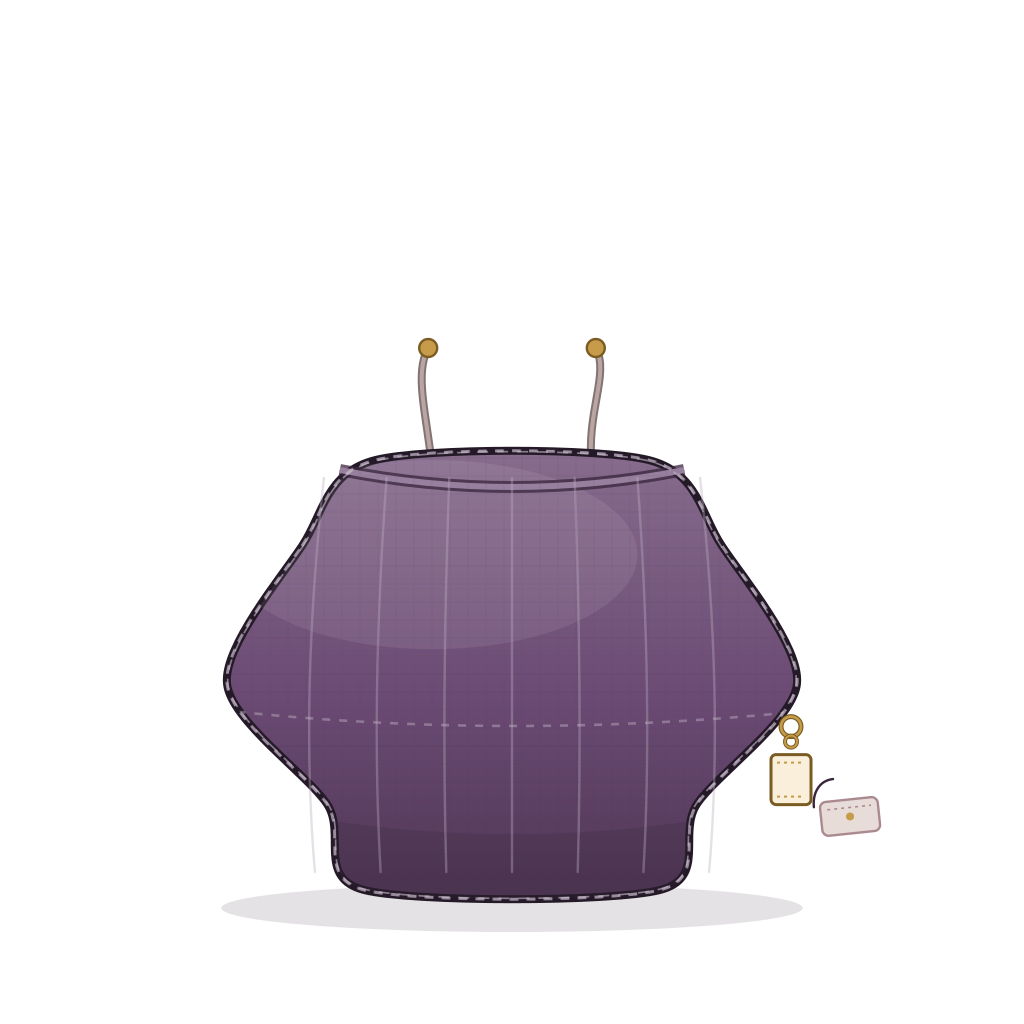
Packing 30 days of stories into six chapters
A bag is a small portrait of a day. The story mode uses that idea to turn thirty puzzles into one quiet year.
The devlog
Tuck & Tidy is made in small pieces. These are the decisions behind the bags, the rules, the daily ritual, and the look of a game that wants to feel like a quiet table.
Recent entries
A bag is a small portrait of a day. The story mode uses that idea to turn thirty puzzles into one quiet year.
Cozy does not have to mean low contrast. A tour of the game's palette, type, and the small details that keep it legible.
A daily ritual should feel like a borrowed bag, not a debt. Here is the math and the mood behind the Daily Mystery Bag.
A packing puzzle is only as interesting as the container. Here is how we built a lookbook where no two bags repeat.
The best puzzle mechanics explain themselves in the hand. Tuck took three prototypes and a lot of deleted tooltips.
Why a devlog?
The entries here are written while the game is still being made, not after a launch campaign. They document the parts that are easy to miss in a screenshot: why every bag needed its own silhouette, why the Tuck interface had to teach itself, and why a daily puzzle should not feel like a debt.
If you are making a small game too, or just curious how a bag puzzle comes together, start with the Tuck mechanic. If you want the visual side, read the palette entry.
The game behind the notes
Sixty-four bags, thirty story days, and a daily ritual with no guilt. Tuck & Tidy is coming soon to iPhone and Android.
Coming soon to iPhone and Android. The launch note opens your own email app — no sign-up form, no tracking.